What is Stabilized NOI?
The Stabilized NOI is the anticipated pro forma net operating income (NOI) of a property upon reaching a state of normalization.

The Stabilized NOI is the anticipated pro forma net operating income (NOI) of a property upon reaching a state of normalization.
The stabilized NOI, a common real estate investing metric, reflects the projected net operating income (NOI) of a property investment upon reaching a “steady state” level of operations.
Since the real estate property is operating near capacity and capable of generating income, the stabilized NOI is a forward-looking measure of profitability.
Understanding the profit potential of a given property upon reaching “stabilization” is critical to estimating the implied yield on a potential investment.
The approximate debt capacity of the property can also be determined using the stabilized NOI, i.e. the maximum debt burden that the property can handle before the risk of default is at an unmanageable level.
In particular, the commercial real estate (CRE) market tends to pay close attention to stabilized metrics because of unpredictable internal and external market factors, such as the vacancy rate, tenant turnover, and economic conditions, which can cause the performance of commercial properties to fluctuate substantially.
Further, the lack of stability in income is counterintuitive to real estate projects funded using leverage, i.e. debt financing, which is more prevalent in the CRE market.


Calculating a property’s stabilized net operating income (NOI) consists of estimating the potential gross income (PGI), deducting vacancy and credit losses, and subtracting operating expenses.
Note: The stabilized NOI is a forward-looking, normalized metric, so adjustments are necessary to remove the effects of any non-recurring items.
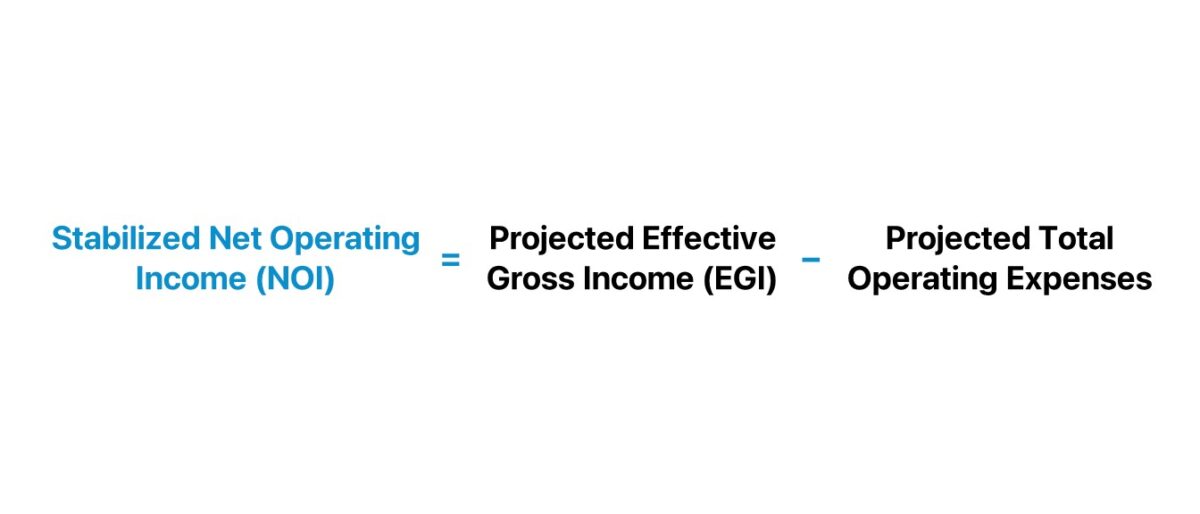
The formula to calculate the net operating income (NOI) is the difference between the effective gross income (EGI) and operating expenses.
Where:
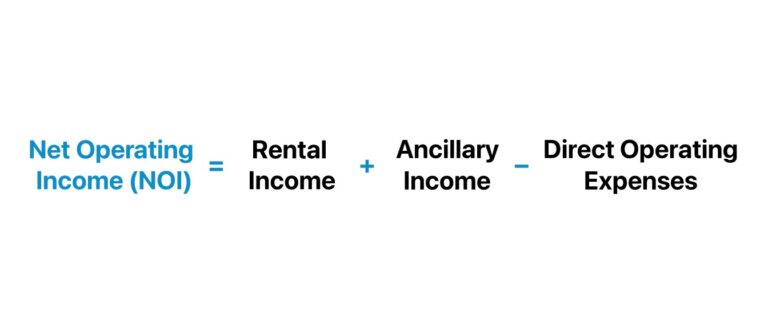
Because the net operating income (NOI) metric is computed on a stabilized basis, a critical step is to ensure the figures used in the formula – including the costs – are all on a normalized basis (and are “scrubbed” for non-recurring items).
The sum of the operating expenses should be inclusive of all annual operating costs, such as the following:
The stabilized net operating income (NOI) concept is the difference between the property’s effective gross income (EGI) and total operating expenses.
Level up your real estate investing career. Enrollment is open for the upcoming Wharton Certificate Program cohort.
The formula to calculate the stabilized NOI is identical to the standard net operating income (NOI).
However, the distinction is that the income and expense figures used here must be representative of the property’s performance at stabilization.
Again, the figures must reflect the normalized operating performance of the property investment, with adjustments to remove any non-operating or non-recurring items.
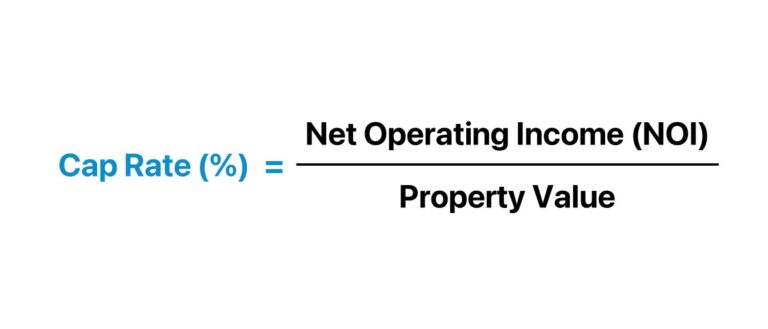
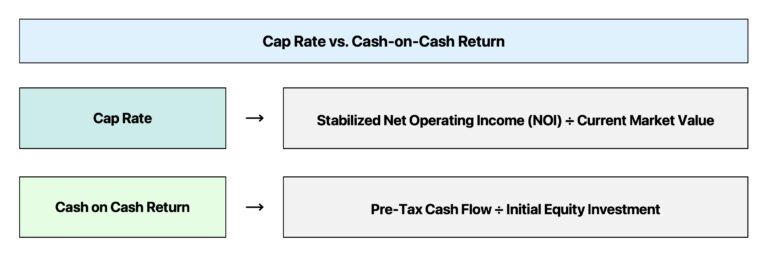
The stabilized NOI is an input in the formula to calculate the cap rate, which reflects the rate of return expected by a real estate investor on an investment property.
The reason the stabilized NOI is used in the cap rate formula is to ensure that the income component of the metric is on a normalized basis, i.e. the property is fully functional and producing income on behalf of the property owner.
We’ll now move to a modeling exercise, which you can access by filling out the form below.

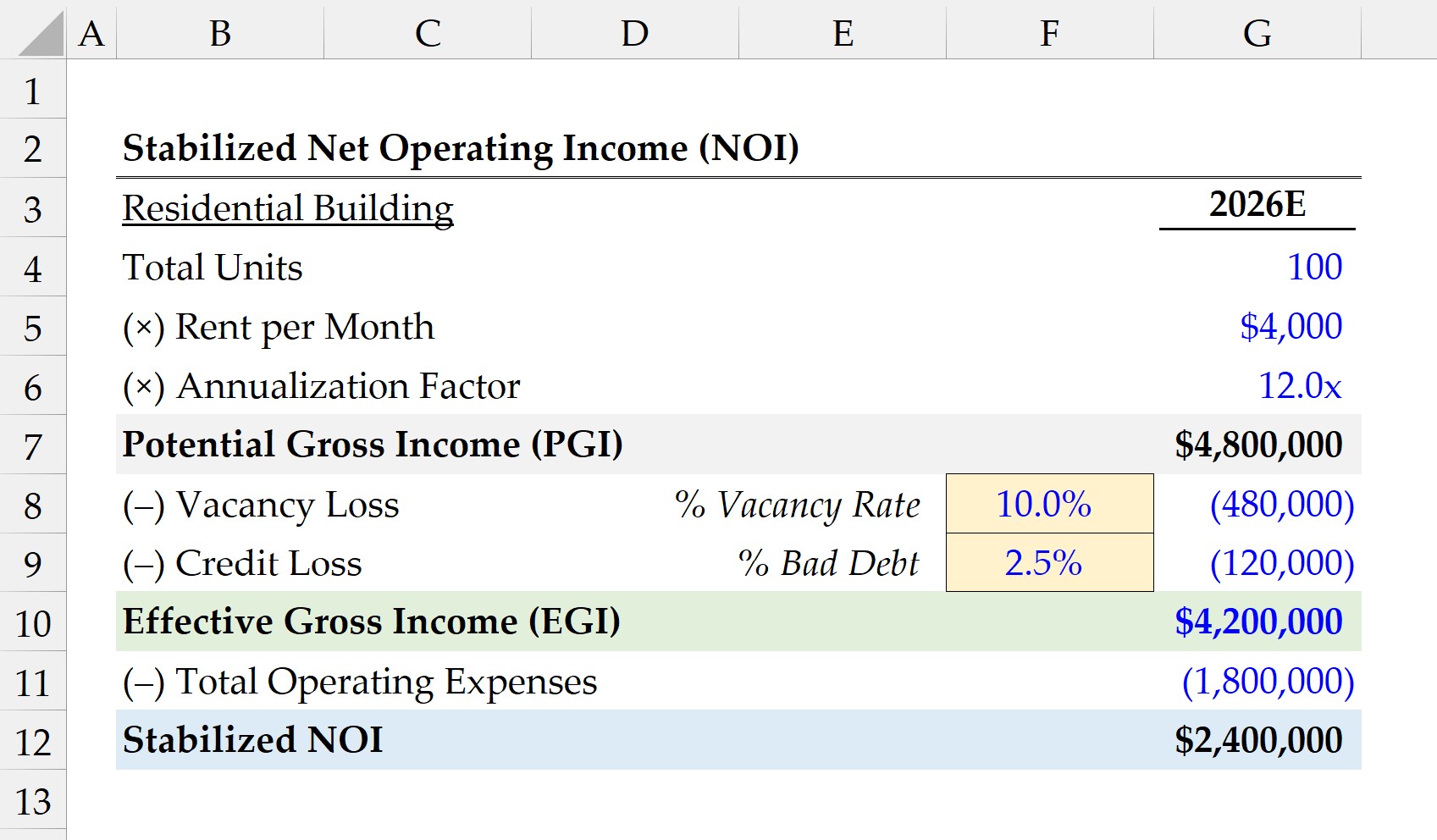
Suppose you’re a real estate investor tasked with calculating the stabilized NOI of a property investment currently under construction and repair work.
The real estate development project – a residential building with a total of 100 units – is expected to be complete by 2026.
Once the residential building is stabilized, the pro forma projections are as follows.
2026E Projections
The first step is to calculate the potential gross income (PGI) by multiplying the total number of units available for rent by the rent per month, followed by converting the monthly PGI into an annualized PGI.
From the potential gross income (PGI), we must deduct vacancy and credit losses to calculate the effective gross income (EGI), which is $4.2 million.
In the next section, we'll estimate the stabilized NOI of the residential building by deducting total operating expenses from the effective gross income (EGI).
For the total operating expenses incurred by the property per year, we'll assume the annual spending was $1.8 million.
Since we have the two required inputs, the final step is to deduct the total operating expenses from the effective gross income (EGI) to arrive at an implied stabilized NOI of $2.4 million.

No comments yet.